
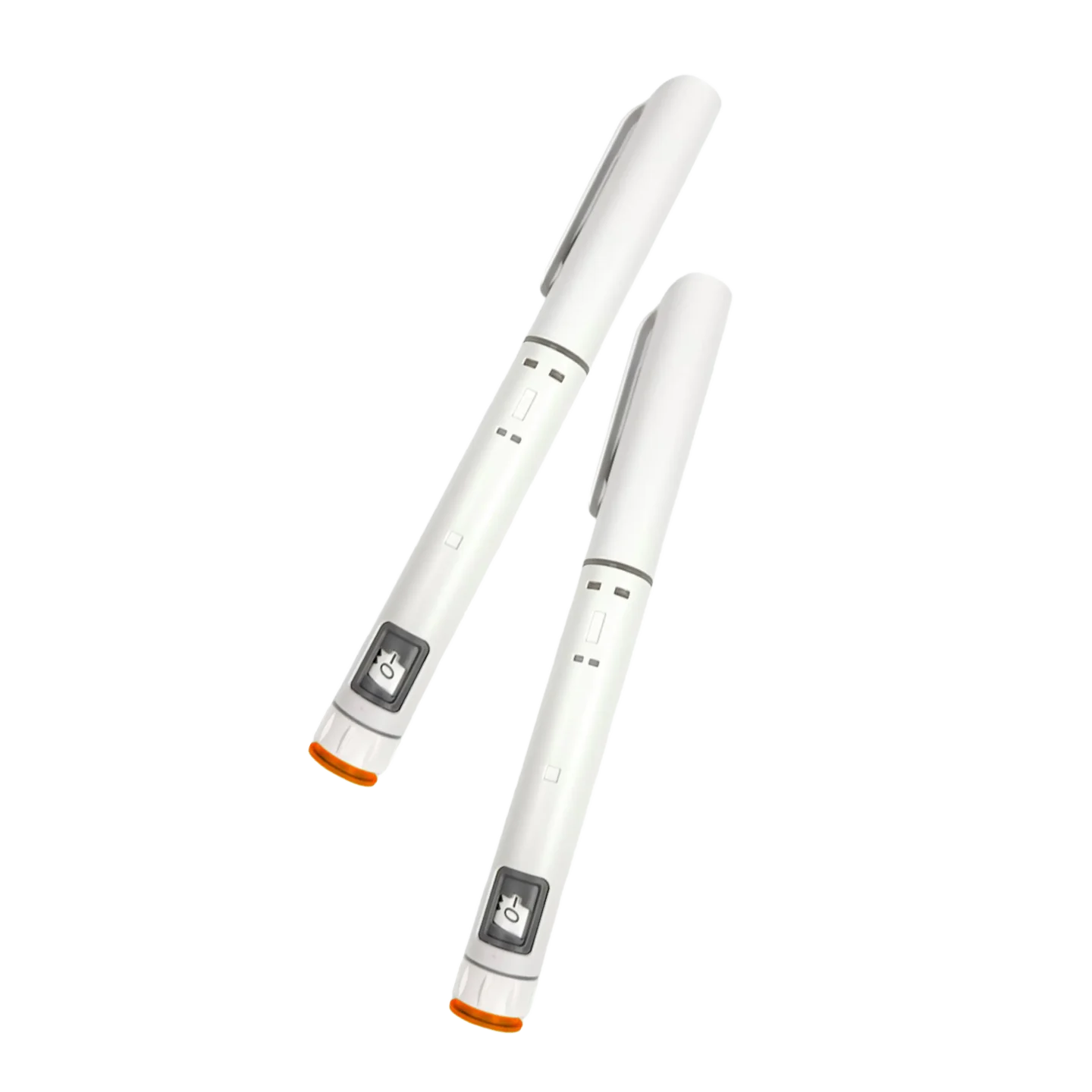
Compounded tirzepatide is a preparation of the medication tirzepatide made by a licensed compounding pharmacy for a specific patient, based on a prescription from a licensed clinician. If you've been researching weight-wellness options, you've probably seen the term alongside brand names like Zepbound® and Mounjaro®. Here we break down what compounded tirzepatide actually is, how it relates to compounded semaglutide, what it may cost, and the honest safety picture — without hype and without conflating it with any branded product.
What is compounded tirzepatide?
Compounded tirzepatide is a customized preparation of tirzepatide — a dual GIP/GLP-1 receptor agonist — prepared by a state-licensed compounding pharmacy in an FDA-regulated facility for an individual patient with a valid prescription. Compounded medications are not FDA-approved. Compounding lets a pharmacy tailor a formulation when a clinician determines it's appropriate for that person.
How does compounded tirzepatide compare to Zepbound® or Mounjaro®?
They're different products. Zepbound® is tirzepatide's FDA-approved, commercially manufactured brand-name product.[2] Compounded tirzepatide is a separate, pharmacy-prepared medication that is not FDA-approved and is not a generic or substitute for a branded product. We never present a compounded preparation as equivalent to a branded medication. Your clinician can explain the distinctions.
Does compounded tirzepatide work?
Tirzepatide is a well-studied molecule that acts on GIP and GLP-1 pathways involved in appetite and blood-sugar regulation.[1] Published clinical evidence comes from trials of the commercially manufactured, brand-name product, not from compounded versions specifically. Outcomes depend on the individual, dose, lifestyle, and clinical oversight. Individual results vary, and no result is ever promised.
How much does compounded tirzepatide cost?
Compounded tirzepatide cost varies by dose, pharmacy, and treatment plan, and pricing is typically structured every 4 weeks rather than as a flat sticker price. Because compounded preparations aren't branded products, their pricing can differ from brand-name options. Any efficacy or savings figures depend on your individual plan — your clinician and the pharmacy confirm specifics before anything is dispensed.
Is compounded tirzepatide safe?
Tirzepatide has known, documented side effects. For Zepbound®, the FDA-approved tirzepatide product for weight reduction, the label lists nausea, diarrhea, vomiting, constipation, and abdominal pain among the most common adverse reactions — those reported in at least 5% of patients.[2] Zepbound®'s tirzepatide label also names acute pancreatitis and acute gallbladder disease among the more serious risks.[2] It isn't right for everyone. Tirzepatide's FDA-approved weight-management label (Zepbound®) carries a boxed warning about the risk of thyroid C-cell tumors.[2] Tirzepatide's label also lists a contraindication for anyone with a personal or family history of medullary thyroid carcinoma (MTC), or with Multiple Endocrine Neoplasia syndrome type 2 (MEN 2).[2] Compounded medications are not FDA-approved. A safe path means clinician screening and monitoring for every one of these risks. If you're weighing the safety question more broadly, our deep-dive on whether compounded GLP-1 options are safe goes further.
Compounded semaglutide vs tirzepatide
When people weigh compounded semaglutide vs tirzepatide, the core difference is the molecule. Semaglutide is a single GLP-1 receptor agonist.[3] Tirzepatide is a dual agonist, acting on both GIP and GLP-1 receptors. Both are prescribed for weight-related and metabolic goals, and both exist in compounded forms that are not FDA-approved. Which is appropriate — if either is — is a clinical decision, not a marketing one. If you're comparing options, our overview of compounded semaglutide pairs closely with this page.
Compounded tirzepatide vs Zepbound®
The compounded tirzepatide vs Zepbound® question comes down to regulatory status and product identity. Tirzepatide's FDA-approved label for weight reduction (Zepbound®) indicates it for use with a reduced-calorie diet and increased physical activity to reduce excess body weight in adults with obesity, or in adults with overweight who have at least one weight-related comorbid condition.[2] Compounded tirzepatide is a pharmacy-prepared preparation that is not FDA-approved. We don't claim the compounded preparation is equivalent to the brand or that it performs identically. Your clinician evaluates which category, if any, fits your situation and medical history.
A note for women weighing their options
Many women researching tirzepatide are juggling metabolic health, hormonal shifts, and years of frustrating advice. Our role is honest information, not pressure. Medication is one tool among many, it's not right for everyone, and no product delivers a guaranteed outcome. If you'd like a clinician to assess whether a compounded option is appropriate for you, you can start with our weight-wellness intake, where your history is reviewed first.
FAQ
What is compounded tirzepatide in simple terms?
It's tirzepatide prepared by a licensed compounding pharmacy in an FDA-regulated facility for an individual patient with a prescription. Compounded medications are not FDA-approved and are distinct from commercially manufactured, brand-name products like Zepbound® and Mounjaro®.
Is compounded tirzepatide different from compounded semaglutide?
Yes. Semaglutide is a single GLP-1 receptor agonist. Tirzepatide is a dual agonist, acting on both GIP and GLP-1 pathways. They are different molecules. A clinician determines which, if either, is appropriate for you.
How much does compounded tirzepatide cost?
It varies by dose, pharmacy, and plan, and is typically structured every 4 weeks. Because it's a compounded rather than branded product, pricing differs from brand options. Your clinician and pharmacy confirm specifics before dispensing.
What are the side effects of tirzepatide?
For Zepbound®, the FDA-approved tirzepatide product for weight reduction, the label lists nausea, diarrhea, vomiting, constipation, and abdominal pain among the most common adverse reactions. Zepbound®'s tirzepatide label names acute pancreatitis and acute gallbladder disease among the more serious risks. It isn't suitable for everyone. Discuss your full history with a licensed clinician.
Can I get compounded tirzepatide without a prescription?
No. Compounded tirzepatide requires a valid prescription from a licensed clinician and is prepared by a licensed pharmacy. Any legitimate path begins with a clinical evaluation.
Is compounded tirzepatide FDA-approved?
No. Compounded medications are not FDA-approved. They are prepared in FDA-regulated facilities. A compounded preparation is not a commercially manufactured, brand-name product like Zepbound® or Mounjaro®.
Ladies First provides marketing/advertising services. Medical services are provided by our medical provider partner, an independent network of US-licensed medical providers. All medical decisions are made by a medical provider licensed in your state. This article is for general information and is not medical advice. Talk to a licensed medical provider about your situation. Individual results vary. Compounded medications are not FDA-approved; they are prepared in FDA-regulated facilities. Zepbound® and Mounjaro® are registered trademarks of Eli Lilly.